Bahasa Indonesia
Latest News
Popular News
Top News
Home
Current Issue
World
Business & Investment
Explore Indonesia
Article
Antara's Choice
Opinion
Photo
More
Press Release
Infographics
×
Home
Home version one
Home version two
Home version three
Home version four
Pages
Blog
Style 1
Style 2
Style 3
Submenu item 3
Multi level 1
Multi level 2
Submenu item 4
Submenu item 5
Blog single detail
Style 1
Style 2
Style 3
Search Result
Style 1
Style 2
Login
Register
Contact
404 Error
About
Style 1
Style 2
Category
contact
World
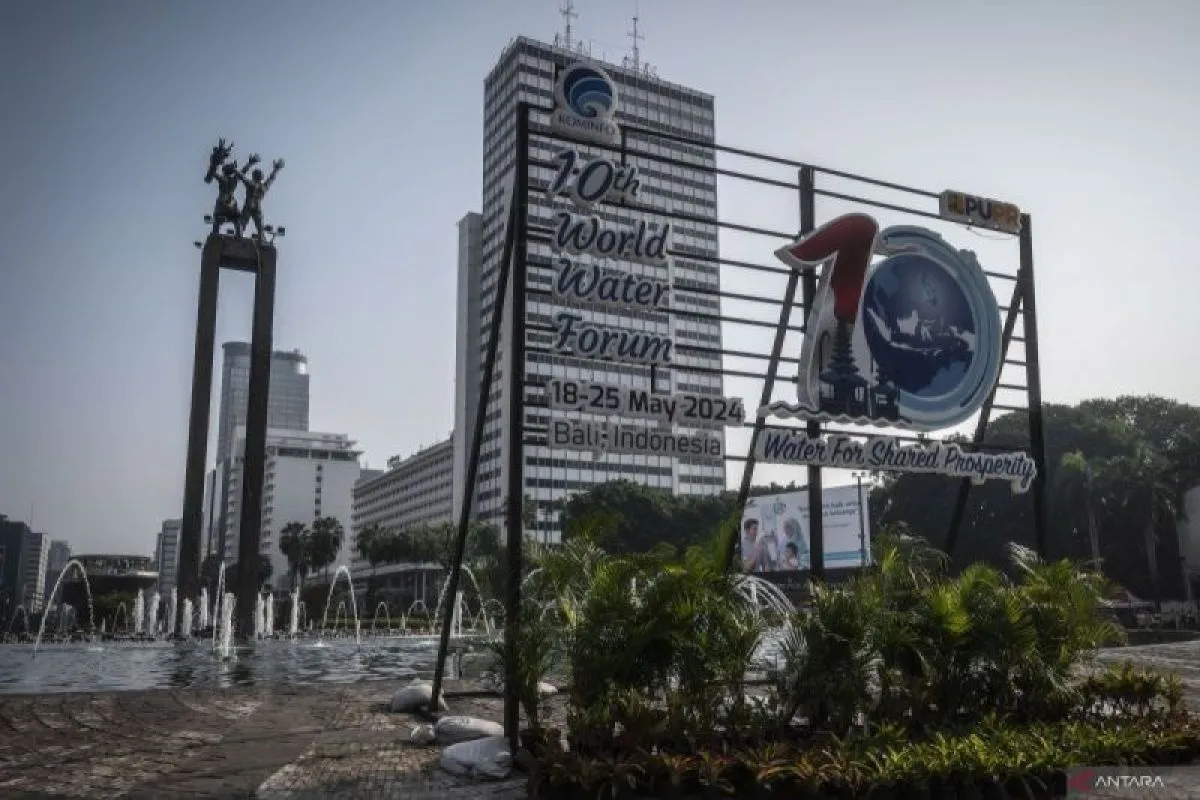
World Water Forum declaration ready for ratification: ministry
9 hours ago
Current Issue
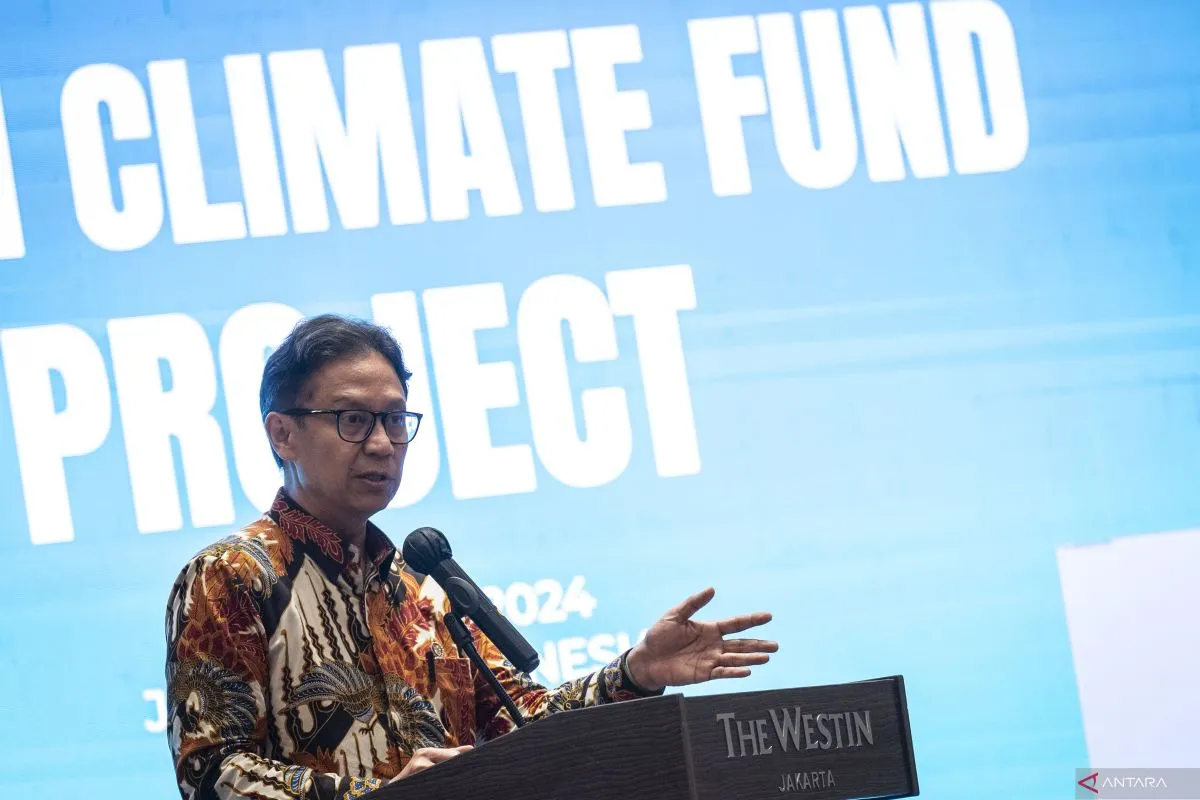
Climate change risks disease spread: Health Minister
10 hours ago
Business & Investment
Solo Dancing event strengthens Solo as UNESCO Creative City: Ministry
10 hours ago
Current Issue
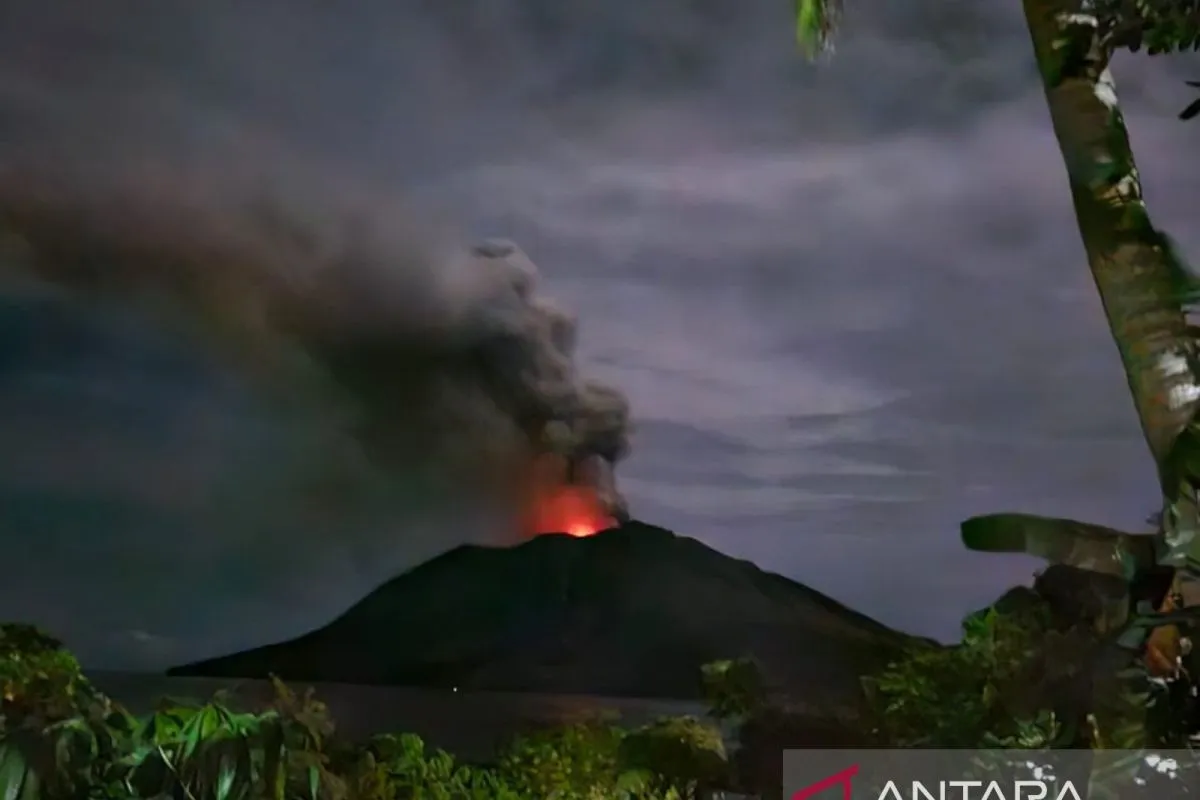
Govt to relocate island residents affected by Mount Ruang eruption
12 hours ago
Business & Investment
Hannover Messe impact on investment positive: minister
12 hours ago
Current Issue
BNPB ensures sufficient food stock for Mount Ruang refugees
12 hours ago
Business & Investment
Some 29 Singaporean companies interested in investing at IKN: Jokowi
15 hours ago
Business & Investment
RI, Malaysia propose ASEAN-GCC collaboration for new economic power
16 hours ago
Current Issue
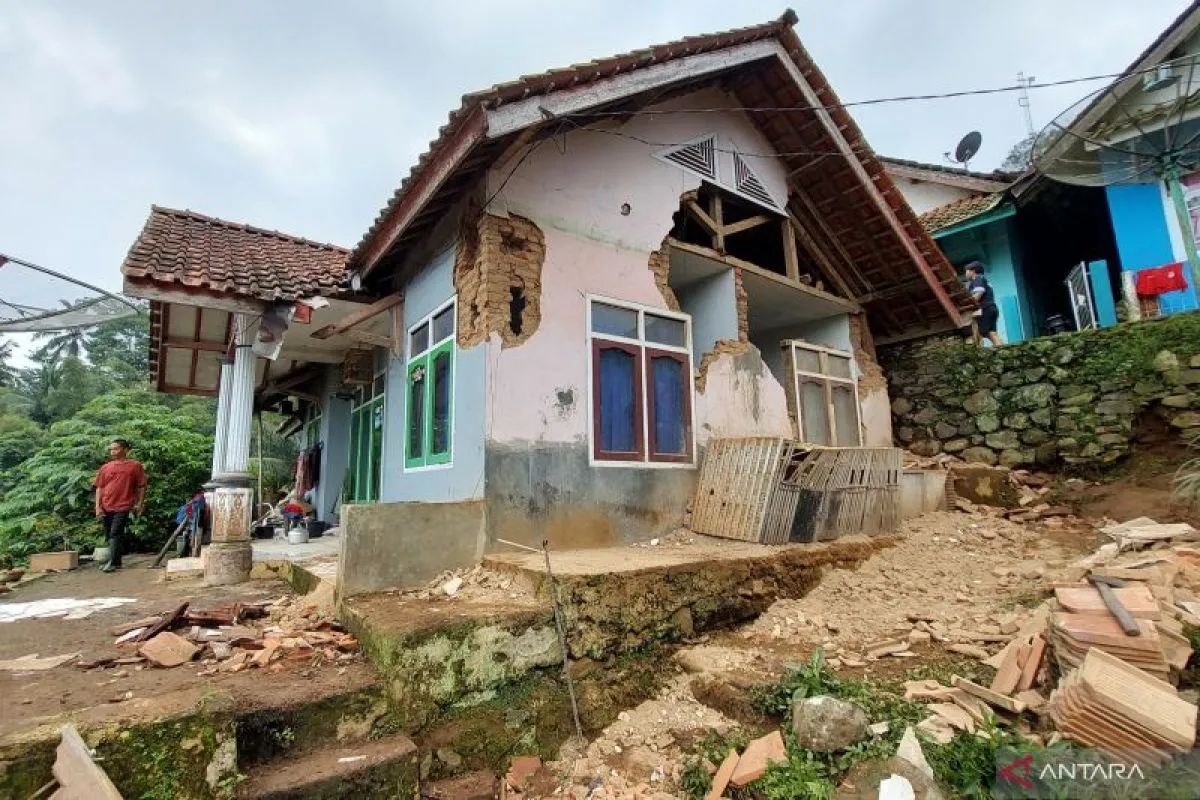
BNPB records 267 houses damaged following Garut's M6.2 earthquake
17 hours ago
Current Issue
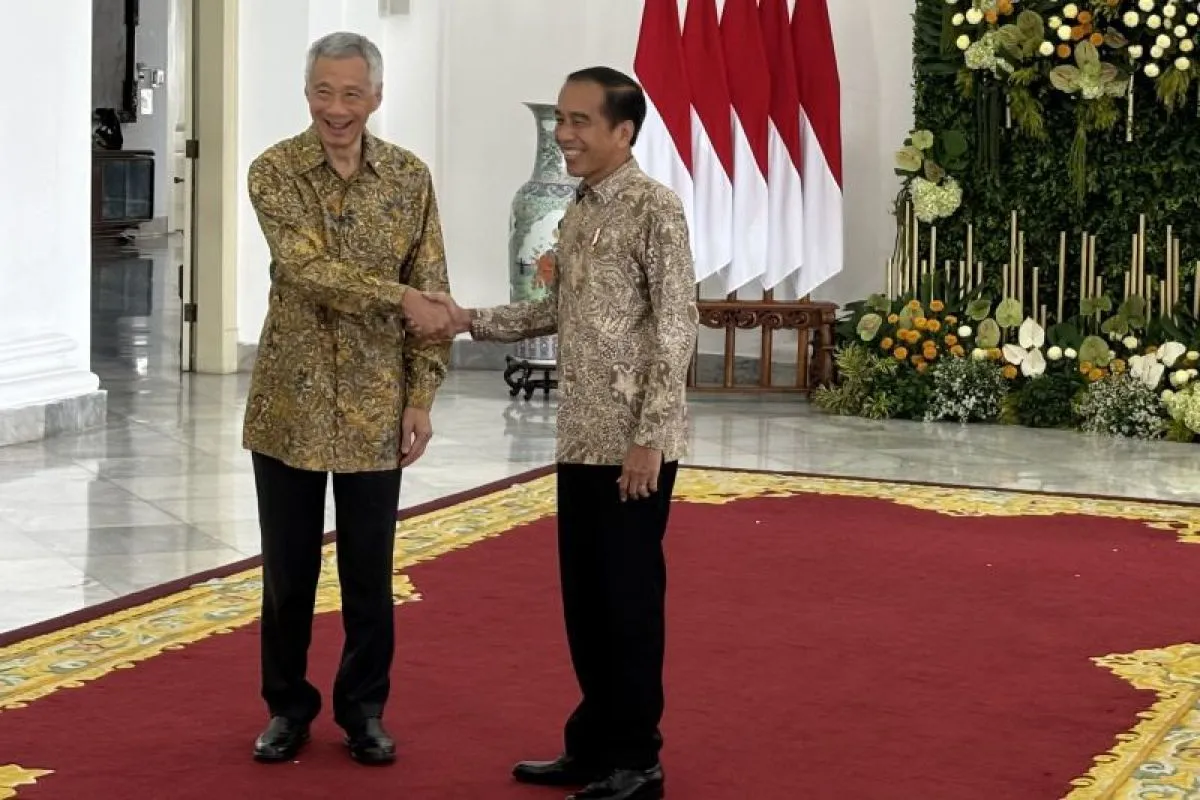
President Jokowi welcomes Singapore's PM Lee at Bogor Palace
18 hours ago
Latest News
Index
World Water Forum 2024
World Water Forum declaration ready for ratification: ministry
9 hours ago
Indonesia to share water conservation notes at 10th WWF in Bali
10 hours ago
Climate change risks disease spread: Health Minister
10 hours ago
Solo Dancing event strengthens Solo as UNESCO Creative City: Ministry
10 hours ago
Widodo introduces Prabowo to Singapore leaders
11 hours ago
BAZNAS, Muhammadiyah ink pact to develop human resources
11 hours ago
Govt to relocate island residents affected by Mount Ruang eruption
12 hours ago
Hannover Messe impact on investment positive: minister
12 hours ago
World Water Forum to showcase Indonesia's SDG success: Official
12 hours ago
BNPB ensures sufficient food stock for Mount Ruang refugees
12 hours ago
UI Open Day 2024 draws thousands of visitors
12 hours ago
Need to consistently raise public awareness on malaria: MPR
13 hours ago
Protecting forests can maintain water storage, quality: Ministry
13 hours ago
Gov't to form human rights protection task forces in working field
13 hours ago
Five Vietnamese companies keen to invest in lobster industry: Ministry
13 hours ago
DKJ Law is the best for Jakarta Province: Acting Governor
14 hours ago
Current Issue
Indeks
Indonesia to share water conservation notes at 10th WWF in Bali
10 hours ago
Climate change risks disease spread: Health Minister
10 hours ago
BAZNAS, Muhammadiyah ink pact to develop human resources
11 hours ago
Govt to relocate island residents affected by Mount Ruang eruption
12 hours ago
Business & Investment
Indeks
Solo Dancing event strengthens Solo as UNESCO Creative City: Ministry
10 hours ago
Hannover Messe impact on investment positive: minister
12 hours ago
Five Vietnamese companies keen to invest in lobster industry: Ministry
13 hours ago
Some 29 Singaporean companies interested in investing at IKN: Jokowi
15 hours ago
Explore Indonesia
Indeks
MotoGP Indonesia: Organizer offers 50-percent off early bird tickets
27th April 2024
This Bandung building has stood the test of time
30th March 2024
A story about preservation of Papuan local cuisine
21st March 2024
Aligning "Bau Nyale" tradition with Mandalika SEZ development
29th February 2024
Article
Indeks
Preserving a balance between development and biodiversity in Nusantara
9th April 2024
Journey of Azerbaijan's city of Shusha to regaining its lost status
4th April 2024
Green open spaces in Jakarta produce hundreds of kilos of chilies
30th March 2024
Green open spaces improve quality of life in Jakarta metropolis
23rd March 2024
World
Indeks
World Water Forum declaration ready for ratification: ministry
9 hours ago
Widodo introduces Prabowo to Singapore leaders
11 hours ago
Indonesia highlights sustainable tourism efforts at UNGA
17th April 2024
China's FM to visit Indonesia to intensify bilateral ties
17th April 2024