Bahasa Indonesia
Latest News
Popular News
Top News
Home
Current Issue
World
Business & Investment
Explore Indonesia
Article
Antara's Choice
Opinion
Photo
More
Press Release
Infographics
×
Home
Home version one
Home version two
Home version three
Home version four
Pages
Blog
Style 1
Style 2
Style 3
Submenu item 3
Multi level 1
Multi level 2
Submenu item 4
Submenu item 5
Blog single detail
Style 1
Style 2
Style 3
Search Result
Style 1
Style 2
Login
Register
Contact
404 Error
About
Style 1
Style 2
Category
contact
Business & Investment
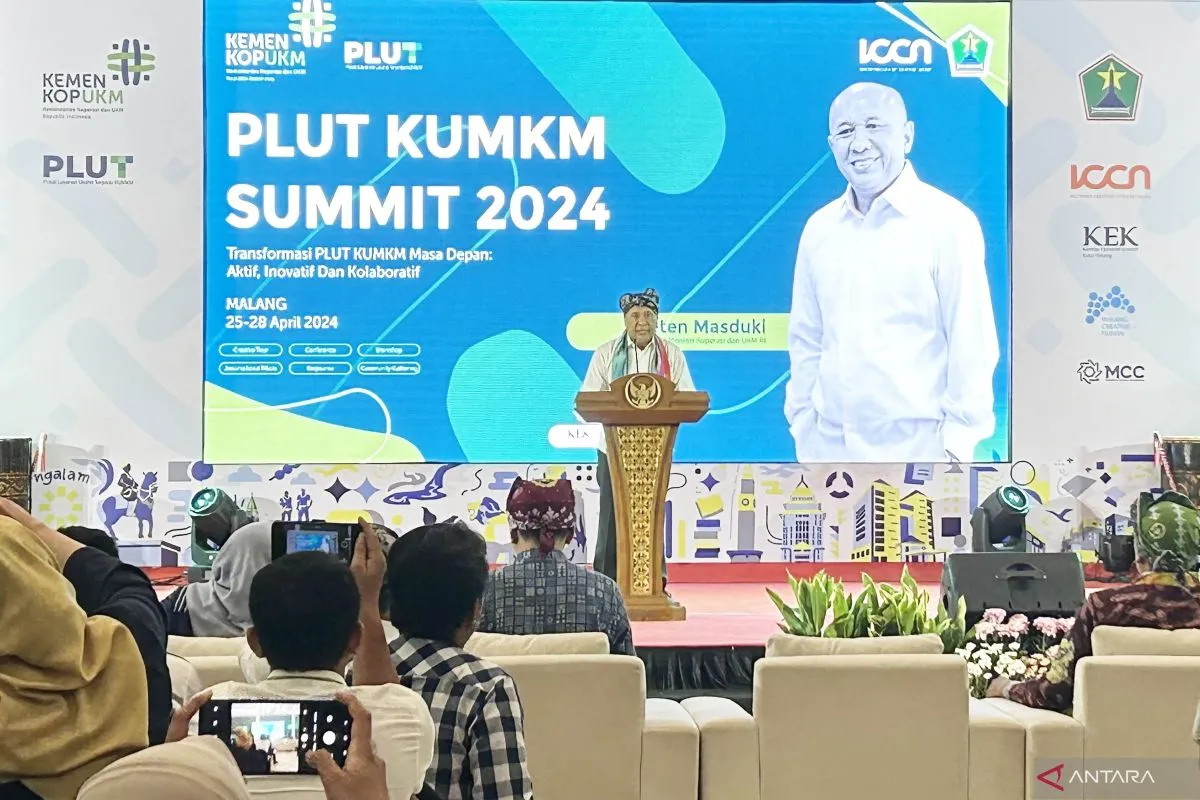
Minister Masduki calls for creation of agritech startups
12 hours ago
Current Issue
Indonesia readies EV charging stations for World Water Forum delegates
13 hours ago
Current Issue
Disaster mitigation outreach crucial to minimize casualties: Minister
15 hours ago
Current Issue
Indonesia, UAE agree to promote pencak silat
15 hours ago
Current Issue
Rebel in SW Papua's Maybrat surrenders to Indonesian army: Spokesman
15 hours ago
Current Issue
Indonesia ready to step up manpower cooperation with Saudi Arabia
17 hours ago
Current Issue
Saudi Arabia to stringently implement Hajj visa regulation: Ministry
17 hours ago
Current Issue
Online gambling task force targets protection of citizens from crimes
19 hours ago
Current Issue
WWF main delegates to be exempt from Bali's tourist levy: Government
20 hours ago
Current Issue
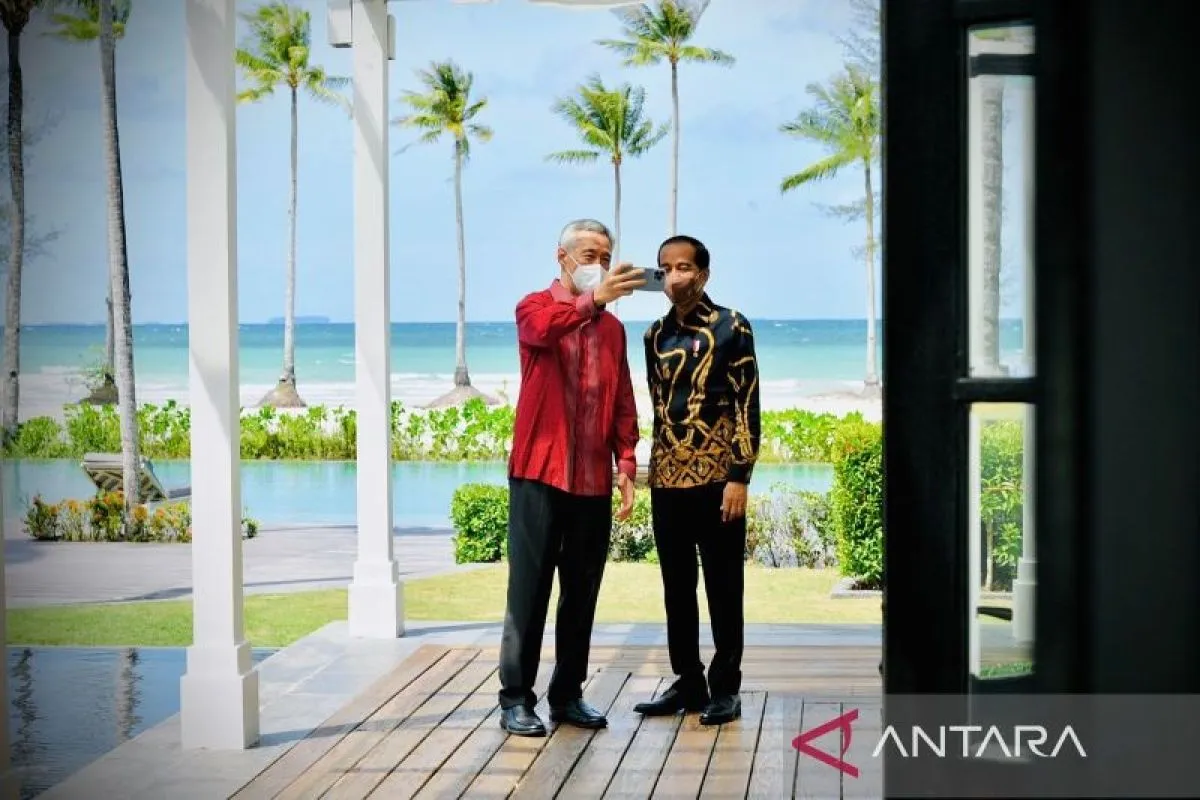
Indonesia-Singapore Leaders' Retreat to discuss IKN development
21 hours ago
Latest News
Index
Minister Masduki calls for creation of agritech startups
12 hours ago
World Water Forum 2024
Indonesia readies EV charging stations for World Water Forum delegates
13 hours ago
Ministry devises scheme to link MSMEs with industries
14 hours ago
OPM tag for armed groups will affect TNI approach: KSAD
15 hours ago
Disaster mitigation outreach crucial to minimize casualties: Minister
15 hours ago
Indonesia, UAE agree to promote pencak silat
15 hours ago
Rebel in SW Papua's Maybrat surrenders to Indonesian army: Spokesman
15 hours ago
Manpower Minister urges training centers to bridge job gap
16 hours ago
Regions urged to identify disaster risks to bolster mitigation
17 hours ago
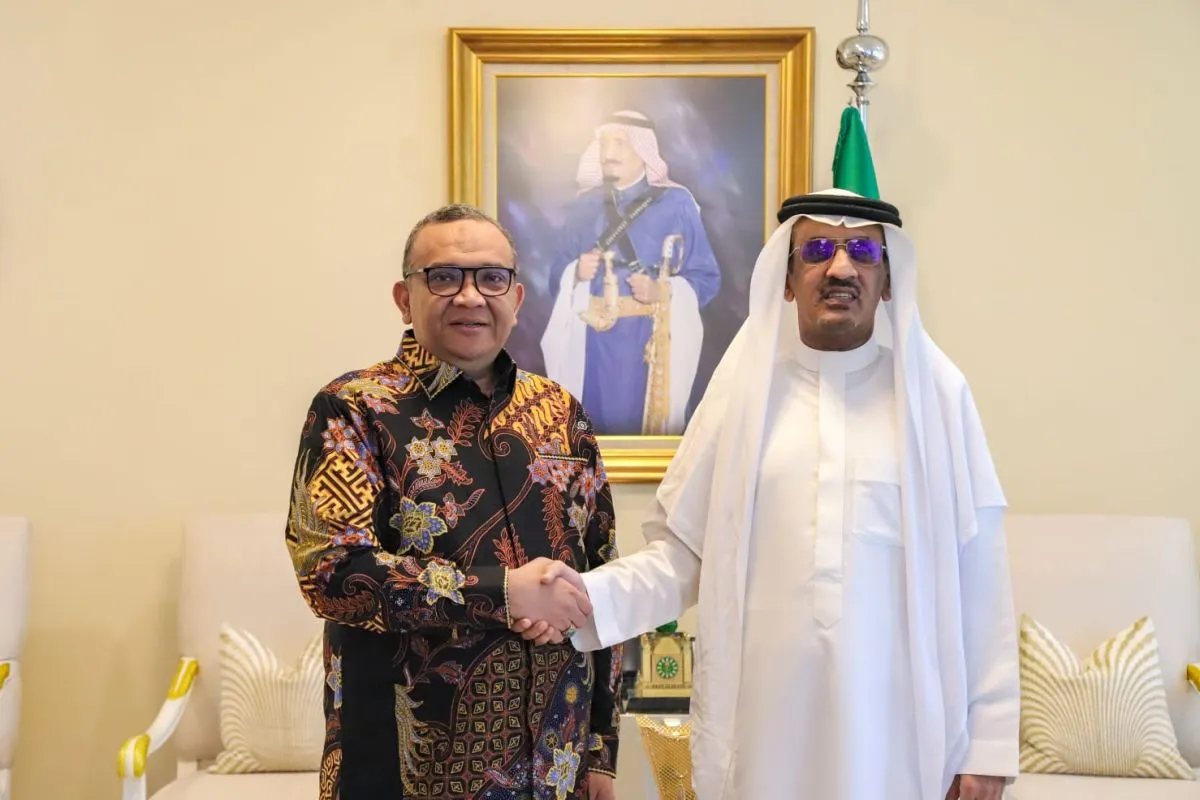
Indonesia ready to step up manpower cooperation with Saudi Arabia
17 hours ago
World Water Forum 2024
Indonesia ready to hold 10th World Water Forum in Bali: Minister
17 hours ago
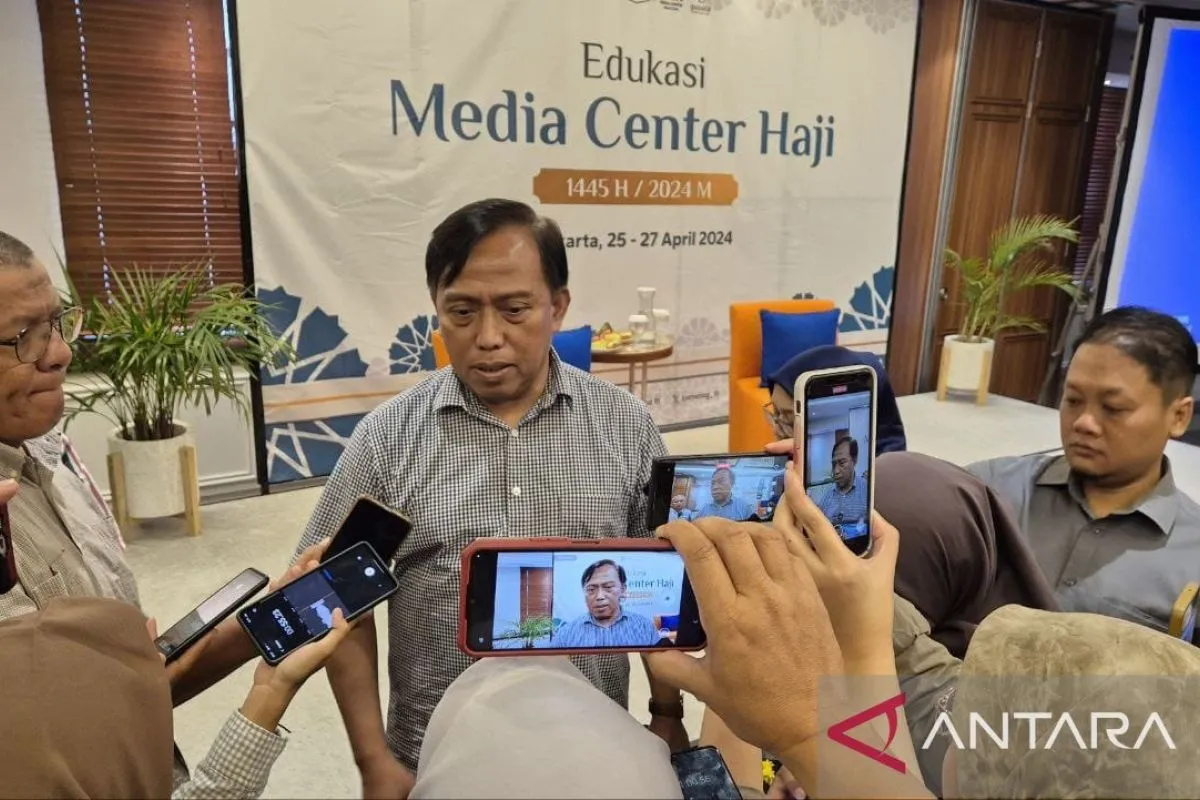
Saudi Arabia to stringently implement Hajj visa regulation: Ministry
17 hours ago
South Papua quarantine inspects sugarcane cuttings from Australia
17 hours ago
Minister opens Pena outlet in W Java’s Lembang
18 hours ago
Ministry, BPS preparing for women, children's life experience surveys
18 hours ago
BNPB offers help for West Sumatra tsunami shelters
18 hours ago
Current Issue
Indeks
Indonesia readies EV charging stations for World Water Forum delegates
13 hours ago
OPM tag for armed groups will affect TNI approach: KSAD
15 hours ago
Disaster mitigation outreach crucial to minimize casualties: Minister
15 hours ago
Indonesia, UAE agree to promote pencak silat
15 hours ago
Business & Investment
Indeks
Minister Masduki calls for creation of agritech startups
12 hours ago
Ministry devises scheme to link MSMEs with industries
14 hours ago
Indonesia ready to hold 10th World Water Forum in Bali: Minister
17 hours ago
Economic growth projected at 5.17 percent in 2024 Q1: Minister
18 hours ago
Explore Indonesia
Indeks
This Bandung building has stood the test of time
30th March 2024
A story about preservation of Papuan local cuisine
21st March 2024
Aligning "Bau Nyale" tradition with Mandalika SEZ development
29th February 2024
Indonesia begins population survey to track more Javan leopards
27th February 2024
Article
Indeks
Preserving a balance between development and biodiversity in Nusantara
9th April 2024
Journey of Azerbaijan's city of Shusha to regaining its lost status
4th April 2024
Green open spaces in Jakarta produce hundreds of kilos of chilies
30th March 2024
Green open spaces improve quality of life in Jakarta metropolis
23rd March 2024
World
Indeks
Indonesia highlights sustainable tourism efforts at UNGA
17th April 2024
China's FM to visit Indonesia to intensify bilateral ties
17th April 2024
RI's badminton players need to secure seed positions before Olympics
12th April 2024
FM Marsudi calls for international solidarity for peace in Palestine
23rd March 2024