Bahasa Indonesia
Latest News
Popular News
Top News
Home
Current Issue
World
Business & Investment
Explore Indonesia
Article
Antara's Choice
Opinion
Photo
More
Press Release
Infographics
×
Home
Home version one
Home version two
Home version three
Home version four
Pages
Blog
Style 1
Style 2
Style 3
Submenu item 3
Multi level 1
Multi level 2
Submenu item 4
Submenu item 5
Blog single detail
Style 1
Style 2
Style 3
Search Result
Style 1
Style 2
Login
Register
Contact
404 Error
About
Style 1
Style 2
Category
contact
Current Issue
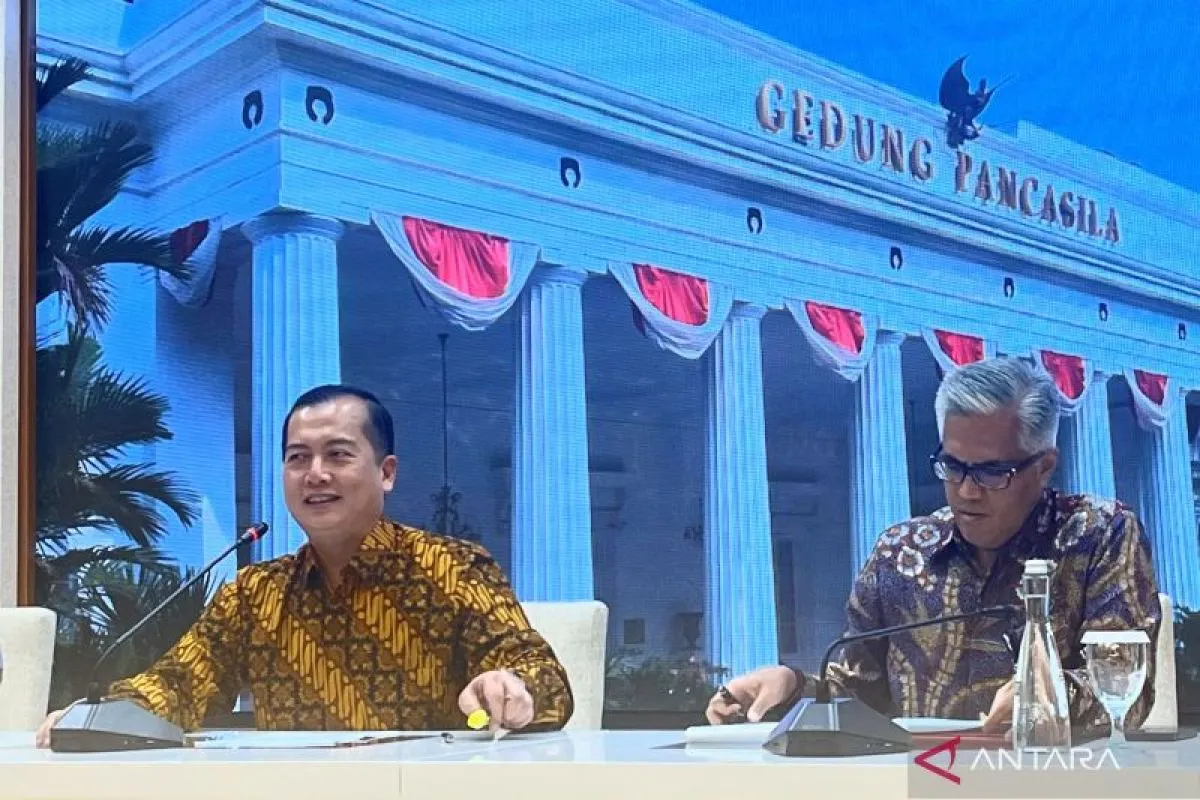
Targeting to complete IEU-CEPA negotiations this year: govt
9 hours ago
Business & Investment
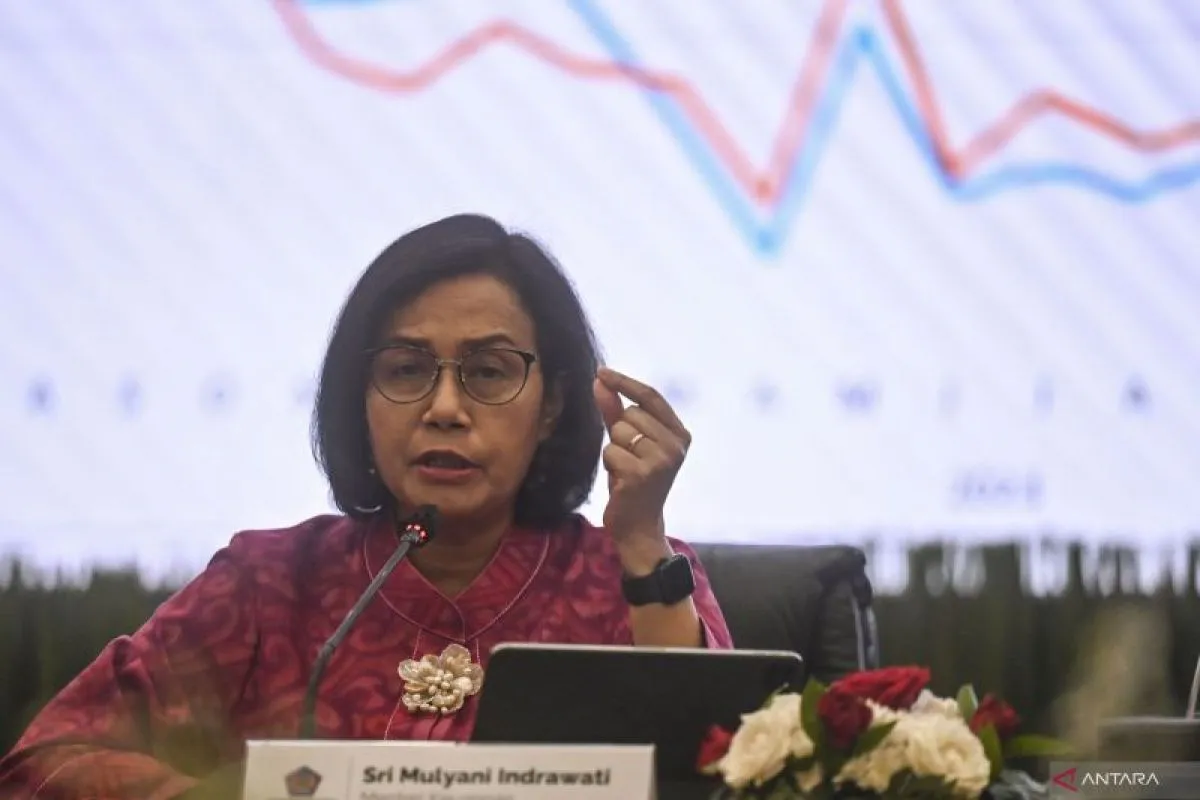
Govt outlines state budget strategies for funding free lunch program
10 hours ago
Business & Investment
Indonesia, Peru start first IP-CEPA negotiation round: ministry
10 hours ago
Business & Investment
Indonesian govt targets Rp12 trillion profit from SAF sales, exports
13 hours ago
Business & Investment
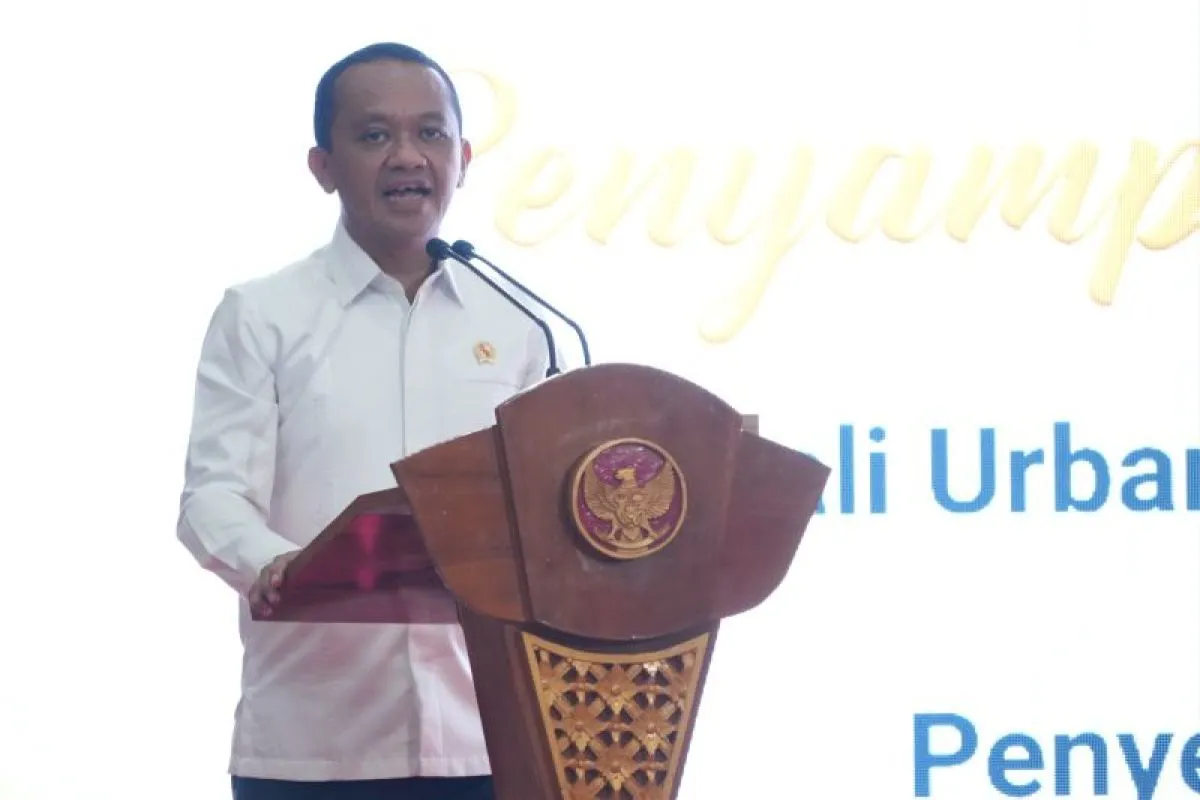
Minister assures of accelerated licensing for Bali Urban Rail project
14 hours ago
Business & Investment
Airport train construction targeted for completion in 2030: OIKN
14 hours ago
Current Issue
Deadly landslide - Indonesia ready to deliver aid to PNG
17 hours ago
World
Palestine's fate at the UN hinges on Security Council's approval: MoFA
18 hours ago
Current Issue
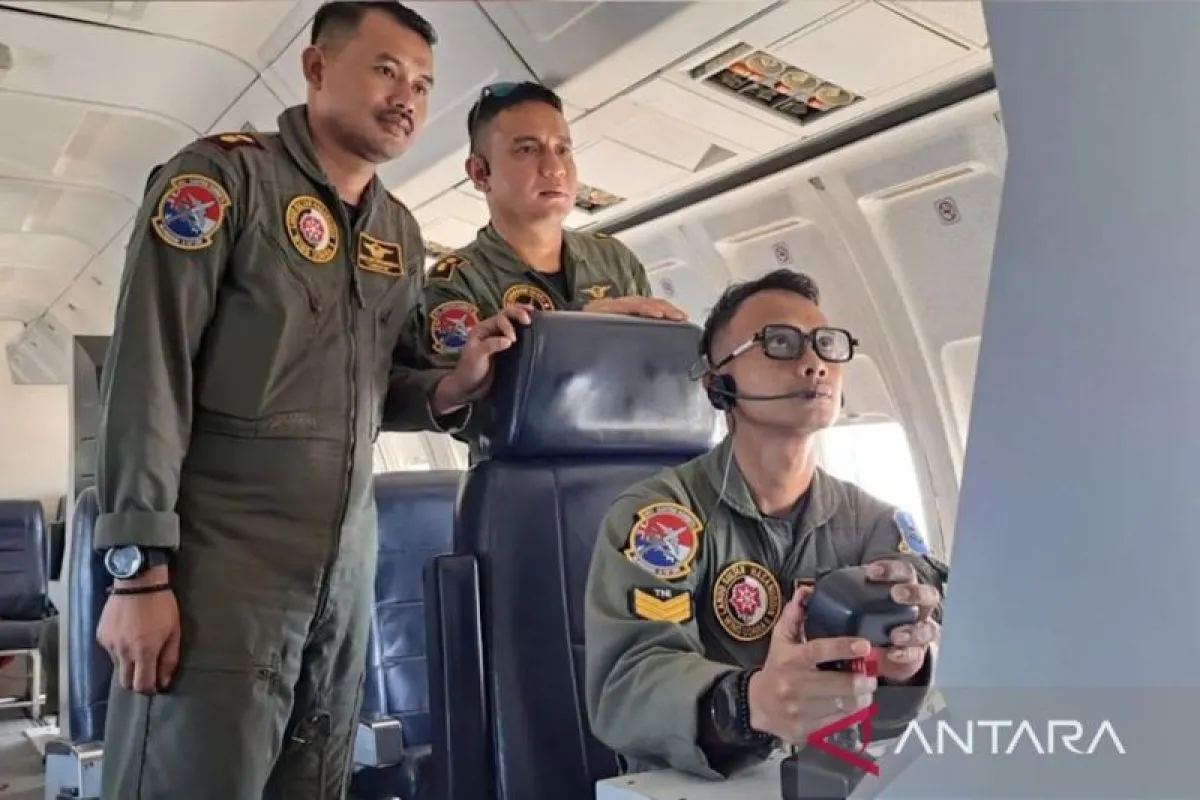
TNI-AU, RAAF conduct joint air surveillance training in Bali
19 hours ago
Current Issue
Ministry pursues simultaneous interventions to prevent stunting
yesterday 23:00
Latest News
Index
24 Hajj pilgrims detained in S Arabia for visa violation
2 hours ago
Targeting to complete IEU-CEPA negotiations this year: govt
9 hours ago
BRIN pushes pharma research collaboration
9 hours ago
Ministry, IPARI plant a million trees to protect the planet
10 hours ago
Deputy Minister highlights importance of boosting cybersecurity
10 hours ago
Govt outlines state budget strategies for funding free lunch program
10 hours ago
Committed to continuing war on drugs: N Sumatra police
10 hours ago
Mt. Lewotolok: Geological Agency sounds alert for lava floods
10 hours ago
Considering physiography vital in peatland management: ministry
10 hours ago
Indonesia, Peru start first IP-CEPA negotiation round: ministry
10 hours ago
Calling for disaster early warning system at World Water Forum
11 hours ago
Rhea Launches with Senior Advisory Panel, Growth Acquisitions and Strategic Partnerships to Advance Fertility Journeys for the Modern Family
12 hours ago
TNI, Polri ready to secure Papua's election logistics delivery
12 hours ago
Indonesian govt targets Rp12 trillion profit from SAF sales, exports
13 hours ago
Minister assures of accelerated licensing for Bali Urban Rail project
14 hours ago
President wants better electricity infrastructure for hospitals
14 hours ago
Current Issue
Indeks
Targeting to complete IEU-CEPA negotiations this year: govt
9 hours ago
Kutai Kartanegara govt vows to preserve snubfin dolphins' habitat
16 hours ago
Deadly landslide - Indonesia ready to deliver aid to PNG
17 hours ago
TNI-AU, RAAF conduct joint air surveillance training in Bali
19 hours ago
Business & Investment
Indeks
Govt outlines state budget strategies for funding free lunch program
10 hours ago
Indonesia, Peru start first IP-CEPA negotiation round: ministry
10 hours ago
Indonesian govt targets Rp12 trillion profit from SAF sales, exports
13 hours ago
Minister assures of accelerated licensing for Bali Urban Rail project
14 hours ago
Explore Indonesia
Indeks
MotoGP Indonesia: Organizer offers 50-percent off early bird tickets
27th April 2024
A story about preservation of Papuan local cuisine
21st March 2024
Aligning "Bau Nyale" tradition with Mandalika SEZ development
29th February 2024
Indonesia begins population survey to track more Javan leopards
27th February 2024
Article
Indeks
Lotus of Ciliwung River --- MAT PECI
25th May 2024
Unveiling the mysteries of the deep sea in Indonesian waters
24th May 2024
Mount Hapuk, the water source of Dayak Meratus people
23rd May 2024
A watertight case for watershed conservation
18th May 2024
World
Indeks
Indonesia continues to strive for UN reform agenda: Foreign Ministry
17 hours ago
Palestine's fate at the UN hinges on Security Council's approval: MoFA
18 hours ago
Indonesia pushes water equity for islands at Bali's global forum
23rd May 2024
Following Indonesia, Fiji pushes for a global water fund formation
19th May 2024