Bahasa Indonesia
Latest News
Popular News
Top News
Home
Current Issue
World
Business & Investment
Explore Indonesia
Article
Antara's Choice
Opinion
Photo
More
Press Release
Infographics
×
Home
Home version one
Home version two
Home version three
Home version four
Pages
Blog
Style 1
Style 2
Style 3
Submenu item 3
Multi level 1
Multi level 2
Submenu item 4
Submenu item 5
Blog single detail
Style 1
Style 2
Style 3
Search Result
Style 1
Style 2
Login
Register
Contact
404 Error
About
Style 1
Style 2
Category
contact
Current Issue
Indonesia to propose World Lake Day at World Water Forum
1 hour ago
Current Issue
Garut's 6.5-magnitude earthquake damages 41 houses: BPBD
3 hours ago
Current Issue
Three navy vessels join combat preparedness drill in North Natuna Sea
4 hours ago
Business & Investment
World Water Forum 2024 can bolster flood control capacity: Ministry
5 hours ago
Current Issue
M6.5 earthquake hits Garut, no tsunami threat: BMKG
9 hours ago
Current Issue
Future wars may be fought over water, not fuel: deputy minister
21 hours ago
Business & Investment
Indonesia pursues HR development collaboration at Hannover Messe
23 hours ago
Current Issue
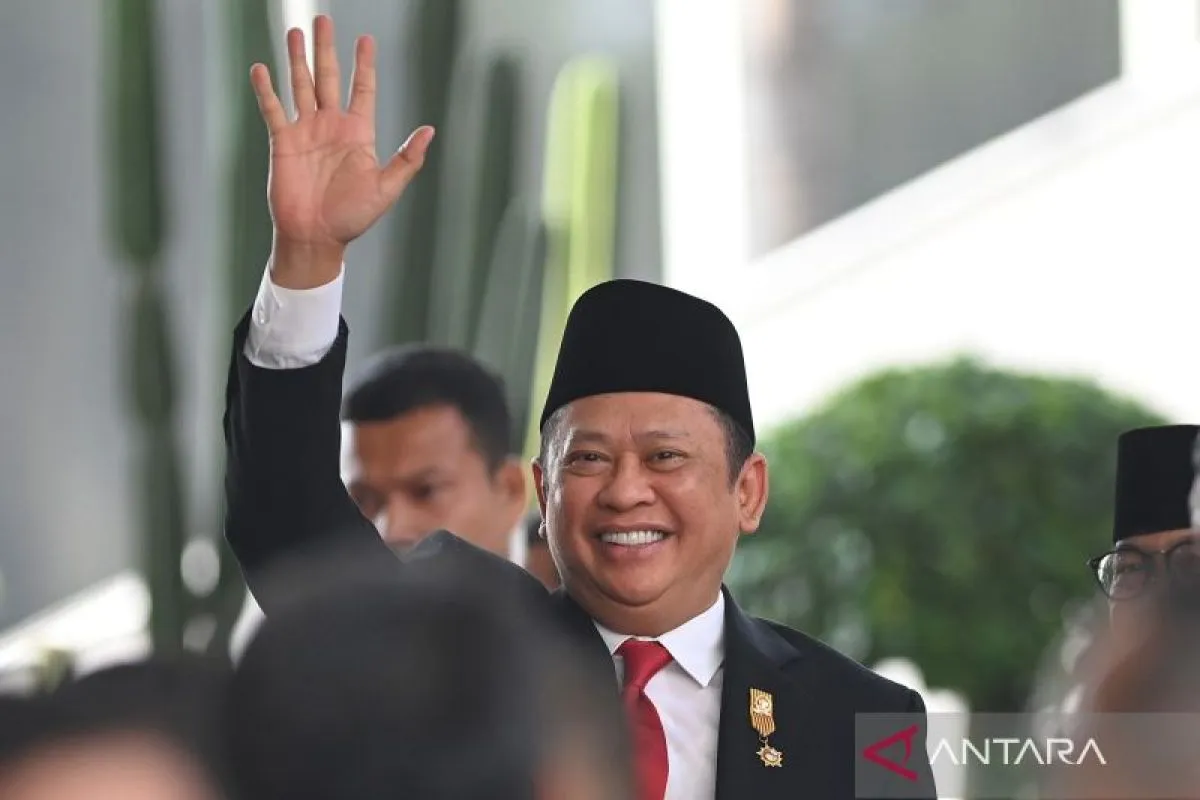
MPR Chairman urges General Elections Law reform
yesterday 18:41
Current Issue
BKSDA evacuates orangutan wandering around Sampit Airport
yesterday 17:49
Current Issue
International Dance Day celebrated in Bali with thousands of dancers
yesterday 17:43
Latest News
Index
Minister Fauziyah discusses migrant workers with Malaysian minister
9 minutes ago
North Maluku's Mount Ibu erupts, BPBD distributes masks to locals
30 minutes ago
World Water Forum 2024
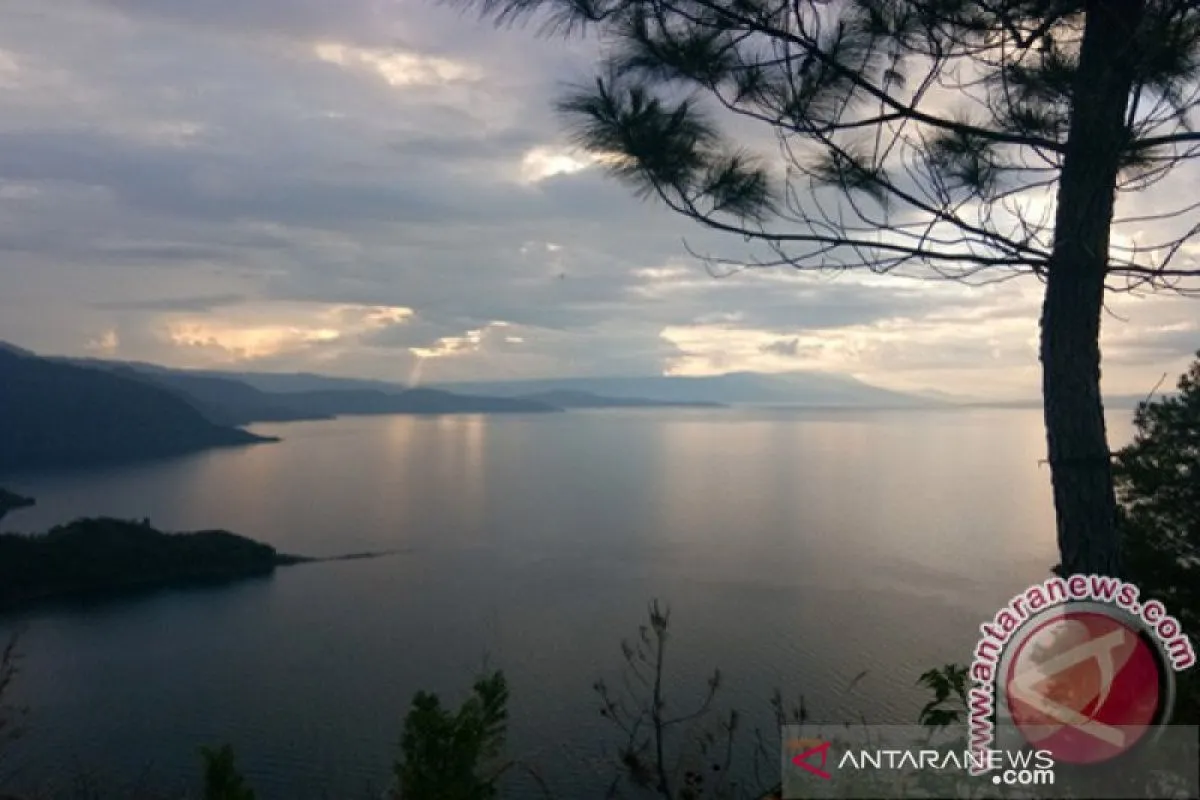
Indonesia to propose World Lake Day at World Water Forum
1 hour ago
KND pushes for greater disability rights awareness at public transport
1 hour ago
World Water Forum 2024
BMKG will push cross-country water data integration in WWF
1 hour ago
Ministry bolsters connectivity in eastern region through sea transport
2 hours ago
Minister highlights RI's energy transition efforts at IEA Summit
2 hours ago
Garut's 6.5-magnitude earthquake damages 41 houses: BPBD
3 hours ago
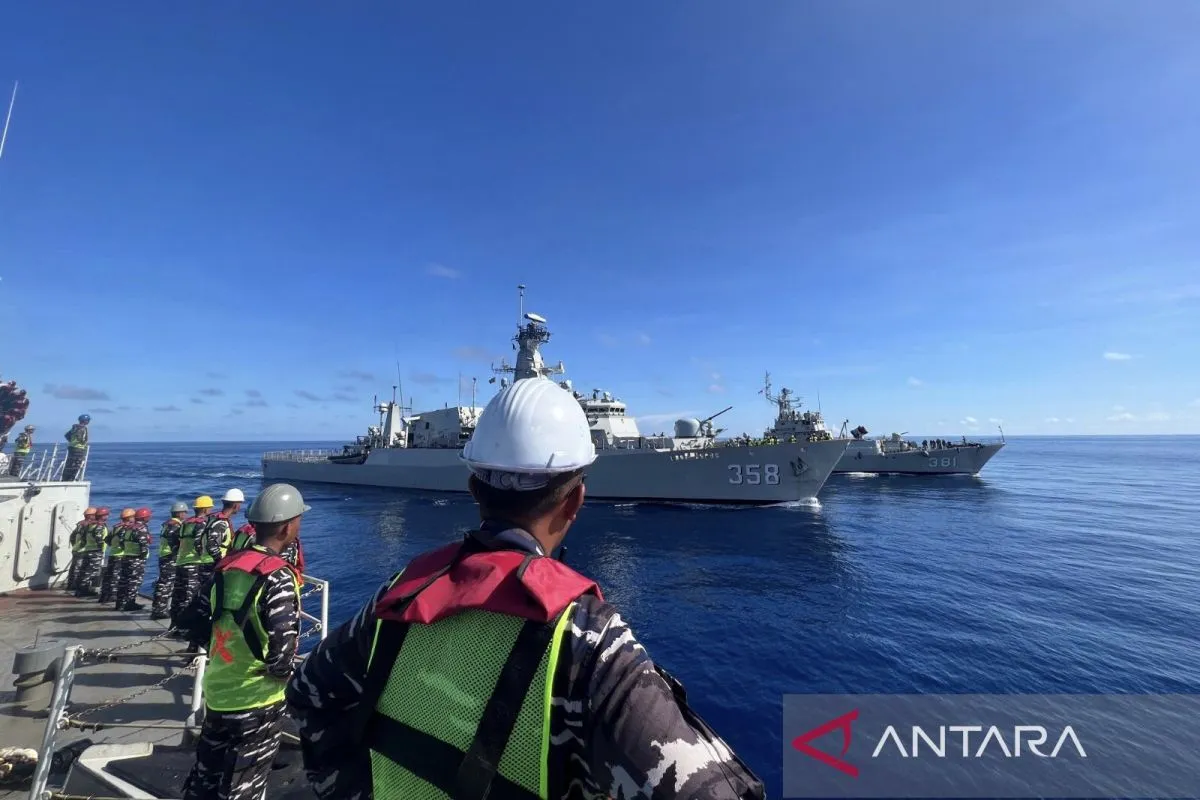
Three navy vessels join combat preparedness drill in North Natuna Sea
4 hours ago
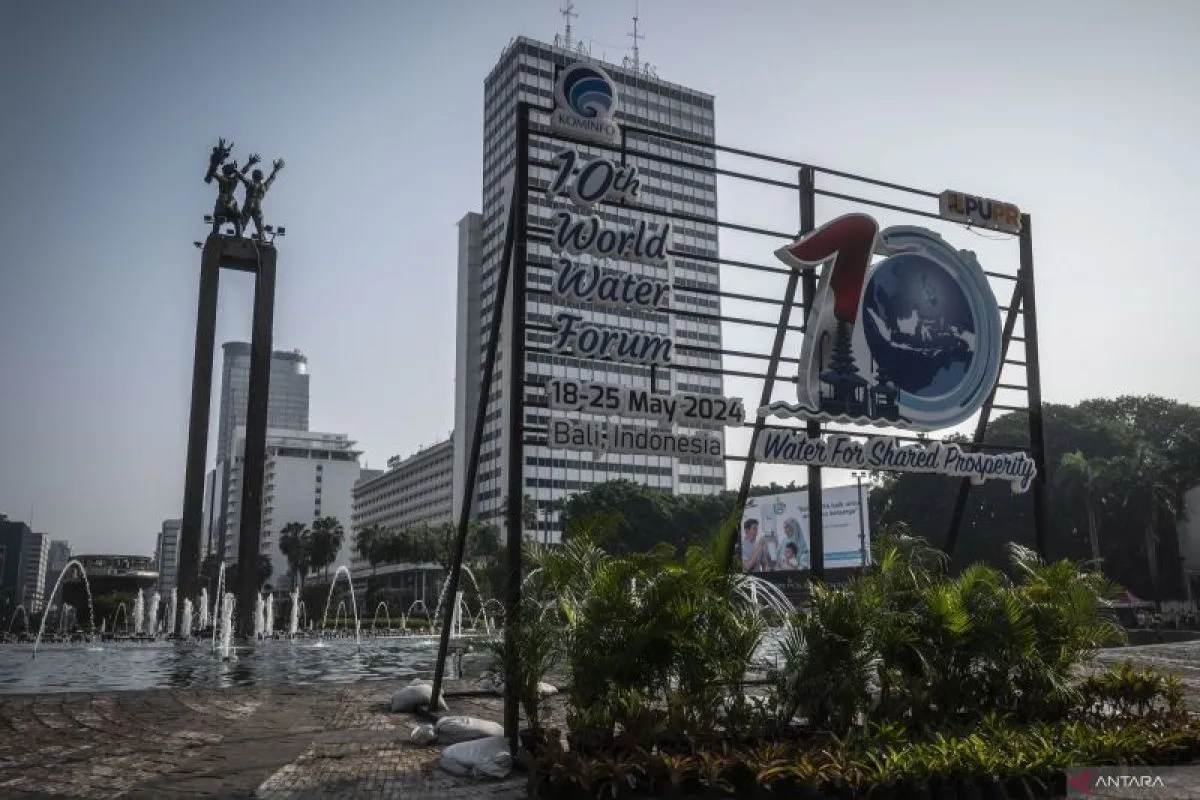
World Water Forum 2024 can bolster flood control capacity: Ministry
5 hours ago
BPBD Garut monitors the entire area after the earthquake occurs
5 hours ago
M6.5 earthquake hits Garut, no tsunami threat: BMKG
9 hours ago
Future wars may be fought over water, not fuel: deputy minister
21 hours ago
Land certificates can bring added economic value: minister
21 hours ago
Indonesia pursues HR development collaboration at Hannover Messe
23 hours ago
Kadin optimistic of Jakarta's continued economic betterment
23 hours ago
Current Issue
Indeks
Minister Fauziyah discusses migrant workers with Malaysian minister
9 minutes ago
North Maluku's Mount Ibu erupts, BPBD distributes masks to locals
30 minutes ago
Indonesia to propose World Lake Day at World Water Forum
1 hour ago
KND pushes for greater disability rights awareness at public transport
1 hour ago
Business & Investment
Indeks
Minister highlights RI's energy transition efforts at IEA Summit
2 hours ago
World Water Forum 2024 can bolster flood control capacity: Ministry
5 hours ago
Land certificates can bring added economic value: minister
21 hours ago
Indonesia pursues HR development collaboration at Hannover Messe
23 hours ago
Explore Indonesia
Indeks
MotoGP Indonesia: Organizer offers 50-percent off early bird tickets
yesterday 16:03
This Bandung building has stood the test of time
30th March 2024
A story about preservation of Papuan local cuisine
21st March 2024
Aligning "Bau Nyale" tradition with Mandalika SEZ development
29th February 2024
Article
Indeks
Preserving a balance between development and biodiversity in Nusantara
9th April 2024
Journey of Azerbaijan's city of Shusha to regaining its lost status
4th April 2024
Green open spaces in Jakarta produce hundreds of kilos of chilies
30th March 2024
Green open spaces improve quality of life in Jakarta metropolis
23rd March 2024
World
Indeks
Indonesia highlights sustainable tourism efforts at UNGA
17th April 2024
China's FM to visit Indonesia to intensify bilateral ties
17th April 2024
RI's badminton players need to secure seed positions before Olympics
12th April 2024
FM Marsudi calls for international solidarity for peace in Palestine
23rd March 2024