Bahasa Indonesia
Latest News
Popular News
Top News
Home
Current Issue
World
Business & Investment
Explore Indonesia
Article
Antara's Choice
Opinion
Photo
More
Press Release
Infographics
×
Home
Home version one
Home version two
Home version three
Home version four
Pages
Blog
Style 1
Style 2
Style 3
Submenu item 3
Multi level 1
Multi level 2
Submenu item 4
Submenu item 5
Blog single detail
Style 1
Style 2
Style 3
Search Result
Style 1
Style 2
Login
Register
Contact
404 Error
About
Style 1
Style 2
Category
contact
Current Issue
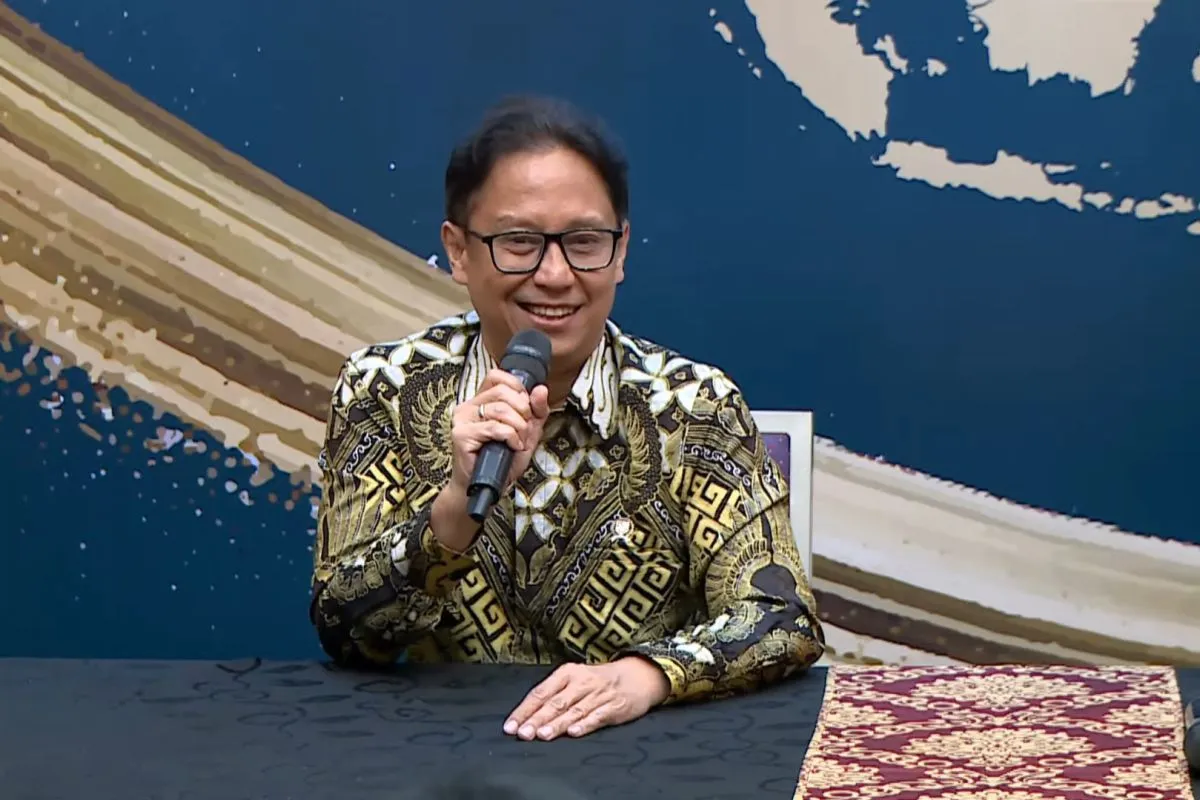
Media role crucial for shifting habits to tackle obesity: ministry
13 hours ago
Current Issue
Amin shares experiences in office with VP-elect
14 hours ago
Current Issue
VP expresses deep concern over US blocking Palestine UN membership
14 hours ago
Current Issue
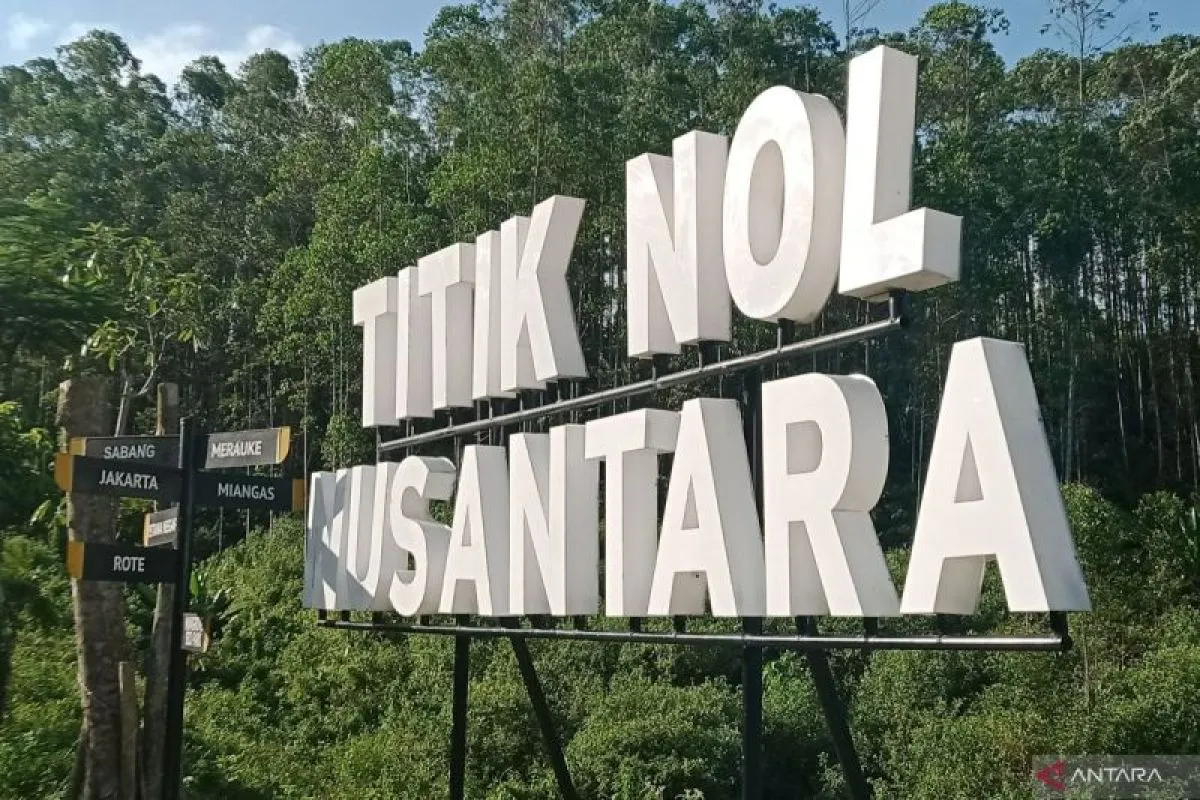
Secure 2,086 hectares of land for IKN: Widodo to AHY
14 hours ago
Current Issue
Minister pushes partnerships with villages for facing climate change
15 hours ago
Current Issue
Prabowo thanks President Jokowi for smooth running of elections
17 hours ago
Current Issue
PUPR expects 10th WWF to majorly influence global water governance
17 hours ago
Current Issue
Indonesia, UAE ink pact on cutting marine plastic waste
17 hours ago
Business & Investment
Int'l, domestic investors interested in IKN's EV development: OIKN
17 hours ago
Current Issue
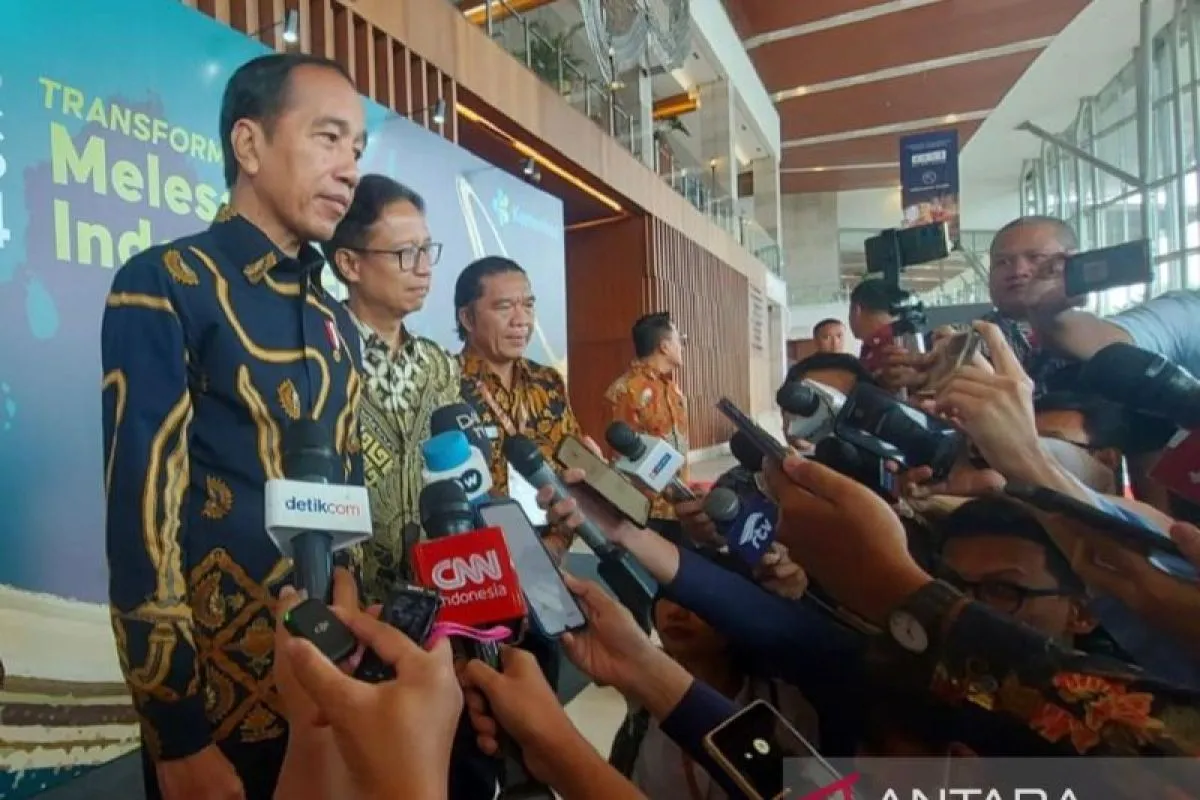
Jokowi underscores need for more specialist doctors from universities
18 hours ago
Latest News
Index
Barantin seeks market access for Indonesian exports to China
12 hours ago
Media role crucial for shifting habits to tackle obesity: ministry
13 hours ago
Bapanas extends rice price ceiling relaxation until May 31
13 hours ago
Amin shares experiences in office with VP-elect
14 hours ago
VP expresses deep concern over US blocking Palestine UN membership
14 hours ago
Secure 2,086 hectares of land for IKN: Widodo to AHY
14 hours ago
Govt helps farm machinery industry join Morocco agri show
14 hours ago
Minister pushes partnerships with villages for facing climate change
15 hours ago
‘World of Coffee & World Barista Championship Busan 2024’ to Launch on May 1st
15 hours ago
Gender equality among the rights of women with disabilities: KND
15 hours ago
KnowBe4 to Acquire Egress
15 hours ago
Flood-hit Muratara in S Sumatra still experiencing power disruptions
16 hours ago
Economic growth in 2024 Q1, Q2 projected surpassing Q4 of 2023
16 hours ago
Prabowo thanks President Jokowi for smooth running of elections
17 hours ago
World Water Forum 2024
PUPR expects 10th WWF to majorly influence global water governance
17 hours ago
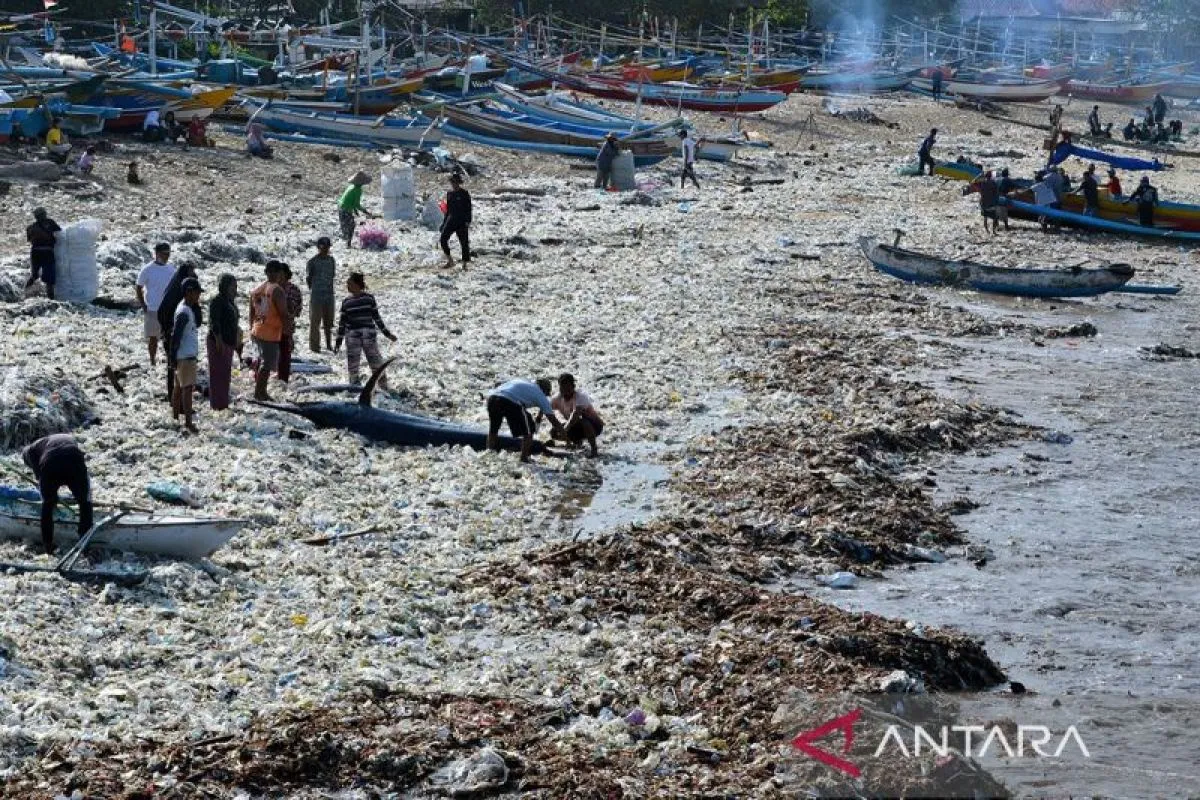
Indonesia, UAE ink pact on cutting marine plastic waste
17 hours ago
Current Issue
Indeks
Media role crucial for shifting habits to tackle obesity: ministry
13 hours ago
Amin shares experiences in office with VP-elect
14 hours ago
VP expresses deep concern over US blocking Palestine UN membership
14 hours ago
Secure 2,086 hectares of land for IKN: Widodo to AHY
14 hours ago
Business & Investment
Indeks
Barantin seeks market access for Indonesian exports to China
12 hours ago
Bapanas extends rice price ceiling relaxation until May 31
13 hours ago
Govt helps farm machinery industry join Morocco agri show
14 hours ago
Economic growth in 2024 Q1, Q2 projected surpassing Q4 of 2023
16 hours ago
Explore Indonesia
Indeks
This Bandung building has stood the test of time
30th March 2024
A story about preservation of Papuan local cuisine
21st March 2024
Aligning "Bau Nyale" tradition with Mandalika SEZ development
29th February 2024
Indonesia begins population survey to track more Javan leopards
27th February 2024
Article
Indeks
Preserving a balance between development and biodiversity in Nusantara
9th April 2024
Journey of Azerbaijan's city of Shusha to regaining its lost status
4th April 2024
Green open spaces in Jakarta produce hundreds of kilos of chilies
30th March 2024
Green open spaces improve quality of life in Jakarta metropolis
23rd March 2024
World
Indeks
Indonesia highlights sustainable tourism efforts at UNGA
17th April 2024
China's FM to visit Indonesia to intensify bilateral ties
17th April 2024
RI's badminton players need to secure seed positions before Olympics
12th April 2024
FM Marsudi calls for international solidarity for peace in Palestine
23rd March 2024