Bahasa Indonesia
Latest News
Popular News
Top News
Home
Current Issue
World
Business & Investment
Explore Indonesia
Article
Antara's Choice
Opinion
Photo
More
Press Release
Infographics
×
Home
Home version one
Home version two
Home version three
Home version four
Pages
Blog
Style 1
Style 2
Style 3
Submenu item 3
Multi level 1
Multi level 2
Submenu item 4
Submenu item 5
Blog single detail
Style 1
Style 2
Style 3
Search Result
Style 1
Style 2
Login
Register
Contact
404 Error
About
Style 1
Style 2
Category
contact
Business & Investment
WWF to help accelerate clean water access: ministry
15 hours ago
Current Issue
AI can help advance higher education: ministry
16 hours ago
Current Issue
BNPB closes visits to Pumpente, Laingpatuhe villages near Mount Ruang
16 hours ago
Current Issue
OIKN drafts roadmap on education development
19 hours ago
Business & Investment
Manpower Minister launches National OSH Program
20 hours ago
Current Issue
Satellite images aid landslide prevention: BRIN
21 hours ago
Current Issue
Floods affect 350 houses in Indonesia-Malaysia border in W Kalimantan
22 hours ago
Current Issue
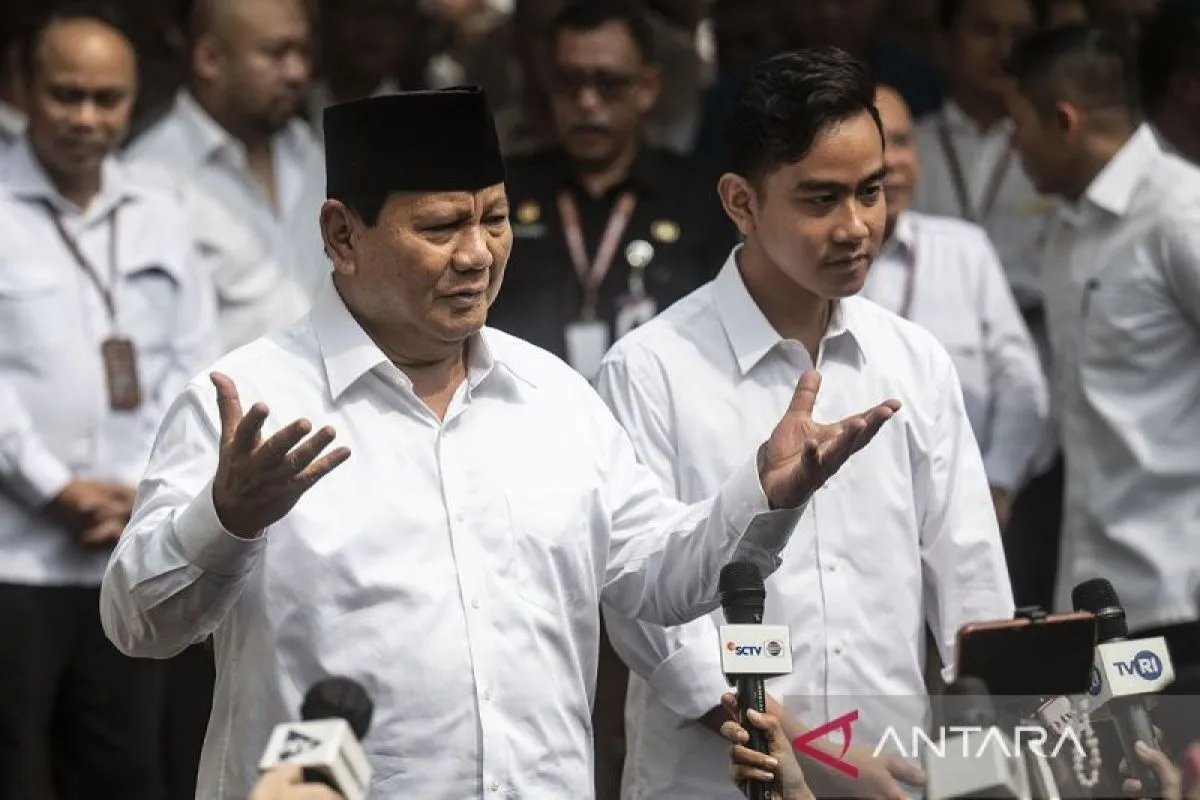
Jokowi lauds Prabowo-Gibran's initiatives to maintain national unity
22 hours ago
Current Issue
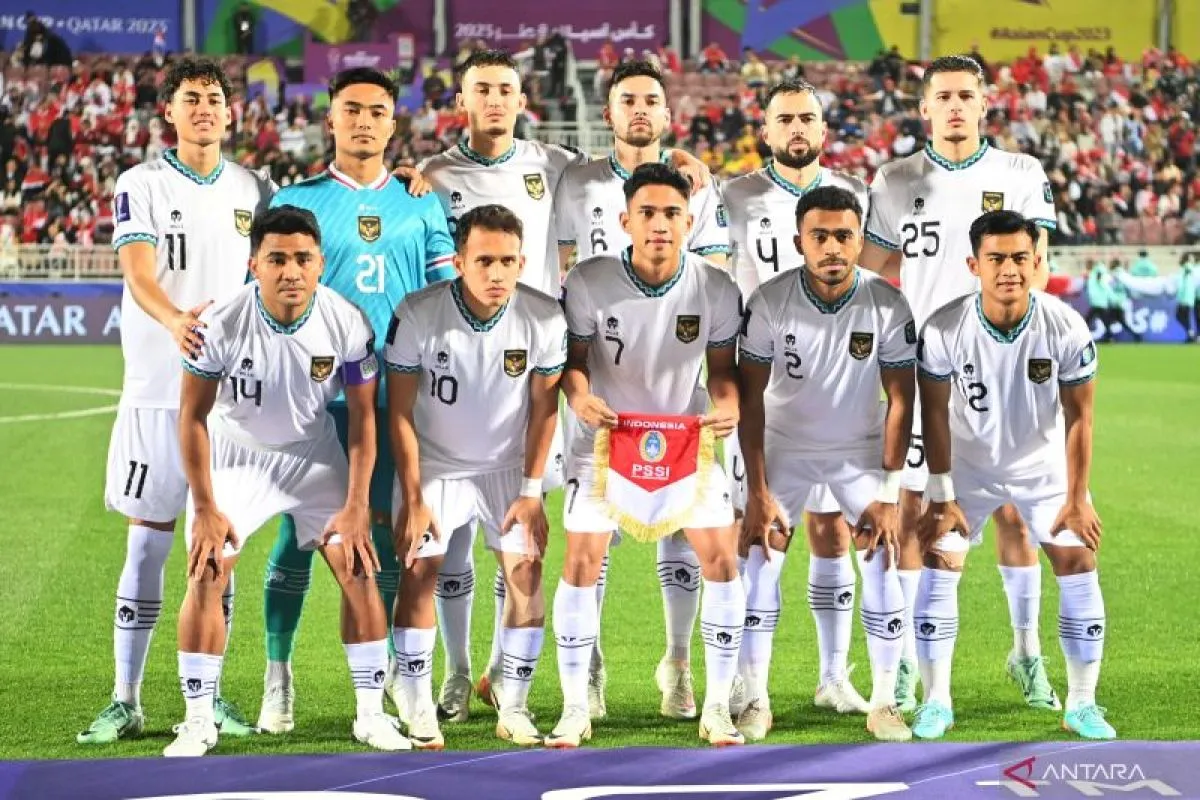
U-23 team must play confidently in Asian Cup quarter-final: VP
yesterday 12:14
Current Issue
Media role crucial for shifting habits to tackle obesity: ministry
yesterday 22:06
Latest News
Index
World Water Forum 2024
Minister calls for promotion of 10th World Water Forum
12 minutes ago
Openness to science is key to handling development dynamics: Minister
27 minutes ago
Decline in total fertility pulls down dependency ratio: BKKBN
12 hours ago
Kadin pushes MSME digitalization to boost business
14 hours ago
World Water Forum 2024
WWF to help accelerate clean water access: ministry
15 hours ago
Malaria cases down, but still second highest in Asia: govt
15 hours ago
BNN-Banten office destroys 21 kg of meth smuggled from Malaysia
16 hours ago
AI can help advance higher education: ministry
16 hours ago
BNPB closes visits to Pumpente, Laingpatuhe villages near Mount Ruang
16 hours ago
Indonesia's BNN destroys over 9 kg drugs, including meth sent from US
16 hours ago
Search on for missing MV Papua Jaya 2 crew: SAR
17 hours ago
SE Asia malaria cases up in some countries: Indonesia's health expert
17 hours ago
VP stresses need to utilize demographic bonus potential well
17 hours ago
Uncover Hong Kong’s Heritage This May with Cultural Festivals and All-New Pyro & Drone Shows
17 hours ago
Identify factors hampering quick reduction of stunting prevalence: VP
18 hours ago
West Sumatra should take disaster mitigation seriously: Minister
18 hours ago
Current Issue
Indeks
Minister calls for promotion of 10th World Water Forum
12 minutes ago
Openness to science is key to handling development dynamics: Minister
27 minutes ago
Decline in total fertility pulls down dependency ratio: BKKBN
12 hours ago
Malaria cases down, but still second highest in Asia: govt
15 hours ago
Business & Investment
Indeks
Kadin pushes MSME digitalization to boost business
14 hours ago
WWF to help accelerate clean water access: ministry
15 hours ago
OIKN promotes climate-resilient Nusantara at APVN
18 hours ago
New national OSH program expected to support PSN development: Minister
18 hours ago
Explore Indonesia
Indeks
This Bandung building has stood the test of time
30th March 2024
A story about preservation of Papuan local cuisine
21st March 2024
Aligning "Bau Nyale" tradition with Mandalika SEZ development
29th February 2024
Indonesia begins population survey to track more Javan leopards
27th February 2024
Article
Indeks
Preserving a balance between development and biodiversity in Nusantara
9th April 2024
Journey of Azerbaijan's city of Shusha to regaining its lost status
4th April 2024
Green open spaces in Jakarta produce hundreds of kilos of chilies
30th March 2024
Green open spaces improve quality of life in Jakarta metropolis
23rd March 2024
World
Indeks
Indonesia highlights sustainable tourism efforts at UNGA
17th April 2024
China's FM to visit Indonesia to intensify bilateral ties
17th April 2024
RI's badminton players need to secure seed positions before Olympics
12th April 2024
FM Marsudi calls for international solidarity for peace in Palestine
23rd March 2024